
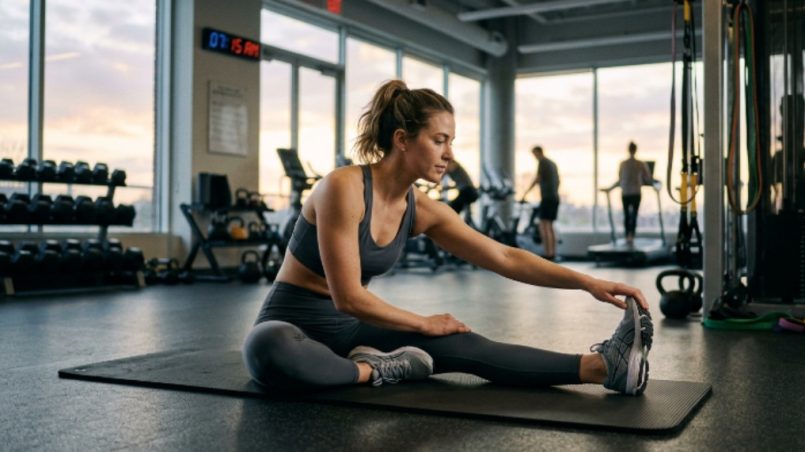
Choosing the right workout clothes can feel overwhelming. There are so many options on the market today. However, the right gear can genuinely improve your performance and your confidence at the gym. What you wear affects how you move, how comfortable you feel, and even how motivated you stay during a session.
This guide covers everything you need to know. From fabric choices to fit, and from sport-specific needs to the latest activewear trends, you will find practical advice that makes shopping simple. Therefore, whether you are just starting out or refreshing your wardrobe, this guide has you covered.
Why Your Workout Clothes Actually Matter
Many women underestimate the role that clothing plays in fitness. However, the science is clear. Wearing clothes that fit well and move with your body helps you perform better. Ill-fitting clothes, on the other hand, can restrict movement and cause distraction.
Additionally, the right workout clothes protect your skin. They reduce chafing, manage sweat, and support your muscles during intense activity. Therefore, spending a little time selecting your gear is always worth it.
Beyond function, there is also the confidence factor. Studies suggest that wearing clothes that look good and feel comfortable boosts motivation. This is sometimes called enclothed cognition. Simply put, when you look good, you feel ready to work hard.
Start with the Right Fabric
Fabric is the foundation of any good workout outfit. The material you choose determines how comfortable you will be during and after exercise. Therefore, this is the first thing to get right.
Moisture-Wicking Fabrics
Moisture-wicking fabrics pull sweat away from your skin and push it to the surface of the fabric where it evaporates. Polyester and nylon blends are the most common choices. They dry fast and hold their shape well. These are ideal for high-intensity workouts like cycling, running, or HIIT training.
Breathable Natural Blends
For lower-intensity activities like yoga or stretching, a blend of bamboo or modal fabric works well. These materials are softer and feel more comfortable against the skin. However, they may not wick sweat as efficiently as synthetic options. Therefore, match your fabric to your workout type.
What to Avoid
Avoid 100 percent cotton for intense workouts. Cotton absorbs sweat and holds onto moisture. This makes you feel heavy and damp as your session continues. It also increases the chance of chafing and skin irritation.
How to Get the Right Fit
Fit is just as important as fabric. Clothes that are too tight restrict blood flow and limit your range of motion. Clothes that are too loose can bunch up, snag on equipment, or distract you mid-workout. Therefore, aim for a fit that is snug but not restrictive.
Tops and Sports Bras
Your sports bra is possibly the most important piece of workout clothing you own. Choose one that matches your activity level. Low-impact bras suit yoga and walking. High-impact bras are designed for running, aerobics, and jumping exercises. A well-fitted sports bra should not move when you jump, and the straps should not dig into your shoulders.
For tops, look for racerback styles for full shoulder freedom. Fitted tanks stay out of your way. Loose tops work well for low-intensity sessions where movement is more relaxed.
Leggings and Shorts
Leggings are a staple for most women. Look for a high waistband that stays in place and does not roll down during squats or lunges. The fabric should be squat-proof, meaning it does not become see-through when stretched. Additionally, pockets are a practical bonus for carrying your phone or keys.
Shorts are a great choice for warm climates or high-cardio sessions. Look for built-in liners for added coverage and compression shorts underneath for comfort during vigorous movement.
Match Your Clothes to Your Workout
Not all workout clothes are created equal. Different activities demand different features. Knowing this will help you build a smarter wardrobe.
Running
For running, choose lightweight, moisture-wicking fabric. Reflective details are helpful if you run outdoors in low light. Additionally, chafe-free seams are essential because repetitive movement makes even minor friction painful over time.
Yoga and Pilates
Yoga demands full range of motion. Choose four-way stretch fabrics that move in every direction without resistance. Fitted tops are better than loose ones here. They stay in place during inversions and forward folds. Additionally, choose colors or patterns that make you feel calm and focused.
Strength Training
For lifting weights, prioritize durability and coverage. You need clothes that handle the grip of a bench, the rough surface of a mat, and the heat of a busy gym. Many gym outfit ideas for strength training include fitted shorts or capri leggings paired with a supportive sports bra and a loose tank top.
Cycling and Spin Classes
Padded cycling shorts or leggings make a significant difference in spin classes. They cushion the sit bones during long sessions on the saddle. Additionally, a fitted top prevents excess fabric from getting caught during pedaling.
Following Activewear Trends Without Losing Functionality
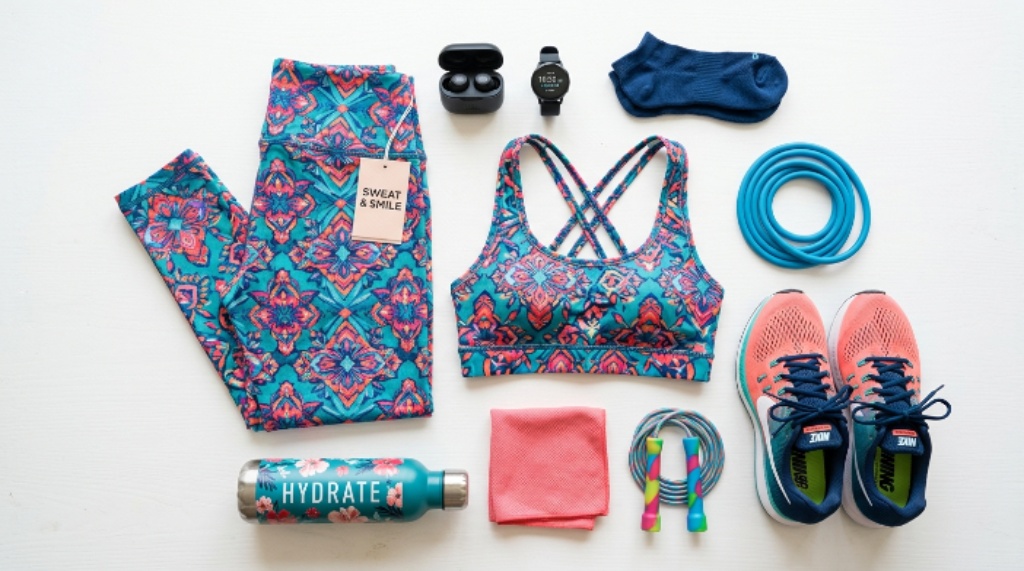
Fashion and fitness have come closer together in recent years. Following activewear trends is fun, but it is important to keep function at the top of your priority list. A stylish piece that does not perform well will sit unused in your drawer.
That said, you do not have to choose between style and performance. Many brands now design beautiful, fashionable pieces that also meet the technical demands of serious training. Look for collections that highlight both aesthetic design and functional features.
Currently popular styles include earth tones, color-blocking, seamless construction, and vintage-inspired silhouettes. However, always ask yourself whether the piece fits well and suits your specific workouts before buying.
Building a Functional Workout Wardrobe on a Budget
You do not need to spend a fortune to build a good workout wardrobe. A few quality pieces go a long way. Start with the basics and add to your collection gradually.
Here is a simple starter wardrobe to aim for:
- Two or three pairs of high-waisted leggings in neutral colors
- Two to three moisture-wicking sports bras suited to your main activity
- Three to four breathable workout tops or tanks
- One pair of training shoes designed for your primary workout type
- One lightweight jacket or zip-up for outdoor or cool-weather training
Additionally, shopping during end-of-season sales or exploring budget-friendly brands can help you get quality items at a lower price. Many mid-range brands now offer excellent performance gear without the premium price tag.
Caring for Your Workout Clothes
Proper care extends the life of your activewear significantly. Many women unknowingly damage their workout clothes through incorrect washing habits.
Here are some easy tips to keep your clothes in top condition:
- Wash activewear in cold water to protect elastic fibers
- Turn garments inside out before washing to reduce pilling and protect color
- Avoid fabric softeners as they clog moisture-wicking pores in synthetic fabrics
- Air dry whenever possible instead of using a tumble dryer
- Wash after every use to prevent bacteria buildup and fabric breakdown
Following these steps ensures your investment lasts as long as possible.
Conclusion
Selecting the right workout clothes for women comes down to a few key decisions. Choose the right fabric for your activity. Prioritize fit over fashion, though there is no reason you cannot have both. Match your clothing to your specific workout type, and build your wardrobe gradually with quality basics.
Additionally, do not be afraid to explore current gym outfit ideas for style inspiration. The activewear market is full of beautiful, functional options that fit every budget and body type. With the right wardrobe, you will feel ready to tackle any workout with energy and confidence.
Remember, the best workout clothes are the ones that make you feel comfortable, supported, and motivated. Start there, and the rest will follow.
Frequently Asked Questions
1. What type of fabric is best for intense workouts?
Synthetic blends like polyester and nylon are best for intense workouts. They wick moisture efficiently, dry quickly, and hold their shape under pressure. Avoid cotton for high-intensity sessions as it retains sweat and can cause chafing.
2. How do I know if my sports bra fits correctly?
A correctly fitted sports bra should not move when you jump or run. The band should sit level across your back without riding up. Straps should not dig into your shoulders, and there should be no spillage over the cups. If you experience any of these issues, try a different size or style.
3. Can I wear the same workout clothes for different activities?
Some items, like basic leggings and moisture-wicking tops, work across multiple activities. However, certain gear is activity-specific. Running shoes are not ideal for strength training, and yoga leggings may not provide enough support for a spin class. Therefore, think about your primary workouts when building your wardrobe.
4. How many workout outfits do I actually need?
For someone who exercises three to five times a week, having three to four complete outfits is a good starting point. This allows you to wash and rotate without running out of clean gear. Additionally, having a small variety means you can dress for different workout types without compromise.
5. Are expensive workout clothes really worth it?
Not always. Price does not always reflect quality. Many mid-range brands offer excellent performance fabrics and durable construction at a fraction of the cost of premium labels. Focus on features like fabric composition, seam construction, and fit rather than brand name. That said, keeping up with activewear trends does not require spending a fortune if you shop strategically.
Related Topics:
How to Adjust Resistance on a Bike Trainer Stand for Better Workouts
Is Wart Removal Safe During Pregnancy? Expert Advice Inside
