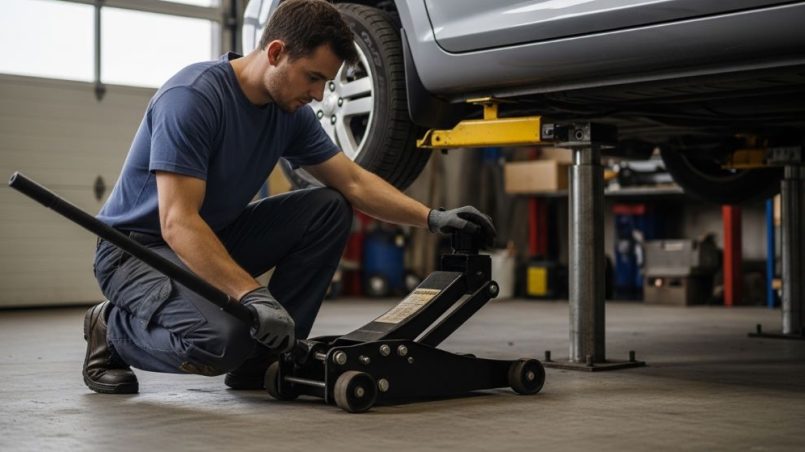
Every driver needs a reliable car jack. Whether you are changing a flat tire on the highway or working on your vehicle at home, a good jack can make all the difference. However, not all jacks are built the same. Some wear out quickly, while others serve you for many years. Finding long-lasting jacks requires more than just picking the cheapest option on the shelf.
This guide will walk you through everything you need to know. You will learn what to look for, what to avoid, and how to keep your jack in top shape for years to come.
Why Durability Matters More Than Price
It is tempting to go for the lowest-priced option. However, a cheap jack can fail at the worst possible moment. A car jack that breaks under load is not just useless — it is dangerous. Therefore, investing in quality upfront is always the smarter choice.
Durable jacks save you money in the long run. You will not need to replace them every year or two. Additionally, they give you peace of mind every time you use them. A jack that holds steady and lifts cleanly is worth every extra dollar you spend.
Understanding the Types of Car Jacks
Before you can choose a durable jack, you need to understand your options. There are several common types available on the market today.
Floor jacks are the most popular for home garages. They roll under the vehicle easily and provide a wide, stable lift. Bottle jacks are compact and very powerful, making them great for trucks and SUVs. Scissor jacks are lightweight and often come with new vehicles, though they are typically less durable than the other types.
Each type has its strengths. However, for serious use and maximum durability, floor jacks and bottle jacks tend to outlast scissor jacks by a wide margin.
Key Features to Look for in a Durable Car Jack
Material and Build Quality
The material of a car jack tells you a lot about its lifespan. Steel jacks are generally the most durable. They resist bending and cracking under heavy loads. Aluminum jacks are lighter but still strong if made to high standards.
Look for jacks with thick, welded frames. Thin stamped metal is a warning sign. A solid build means the jack can handle repeated use without wearing down.
Weight Capacity
Always check the weight rating before you buy. A jack rated for more than your vehicle’s weight will work with less strain. That extra capacity means the components do not work at their maximum limit every time. As a result, the jack lasts longer.
For most passenger cars, a two-ton jack is enough. For trucks and larger SUVs, look for a three-ton or higher rating.
Hydraulic System Quality
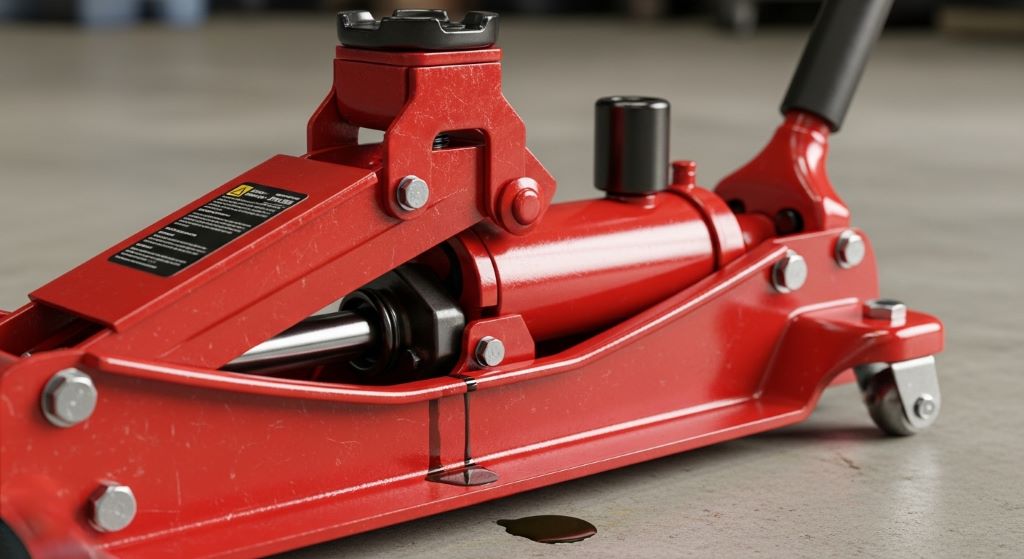
Most floor and bottle jacks use a hydraulic system to lift. The quality of this system directly affects how long the jack lasts. Look for jacks with overload valves and quality seals. These features prevent leaks and protect the internal components from damage.
Additionally, a smooth pump action is a good sign. If the jack feels jerky or stiff when new, it will likely get worse over time.
Lift Range
A wide lift range makes a jack more versatile. However, it also puts more demand on the structure. Heavy-duty jack tools with a wide range and solid build quality show that the manufacturer engineered the product carefully. A generous lift range paired with strong materials is a sign of overall quality.
What Certifications and Standards to Check
Buying a certified jack adds a layer of trust. Look for jacks that meet ASME (American Society of Mechanical Engineers) standards. These standards require rigorous testing before a product can carry the label.
Some manufacturers also test to PALD (Portable Automotive Lifting Devices) standards. Therefore, checking for these marks on the product or packaging is always a good idea. A jack without any certification is a risk not worth taking.
Top Brands Known for Building Long-Lasting Jacks
Certain brands have built strong reputations over many decades. Brands like Arcan, Pro-Lift, and Sunex consistently produce heavy-duty jack tools that mechanics and car enthusiasts trust. These companies invest in quality materials and testing.
However, brand name alone is not enough. Always read user reviews and look for feedback from people who have used the jack for more than a year. Long-term performance matters far more than first impressions.
Red Flags to Avoid When Shopping
Not every jack on the market deserves your money. Here are some warning signs to watch for:
- Very low price with no certification marks
- Thin, stamped steel construction
- Poor or vague product descriptions
- No mention of weight capacity or lift range
- Negative reviews about leaks or collapsing under load
If a deal looks too good to be true, it probably is. Additionally, avoid jacks sold without any brand information. Anonymous products rarely come with quality guarantees or replacement parts.
Where to Buy for the Best Quality
Buying from a reputable retailer matters. Auto parts stores like AutoZone, O’Reilly, and NAPA carry tested products. You can also find quality options at tool-specialty stores like Harbor Freight or Northern Tool.
When shopping online, stick to verified sellers and look for detailed product listings. Avoid marketplace listings with few reviews or unclear origins. Furthermore, buying directly from a manufacturer’s website can sometimes give you access to warranty support and replacement parts.
How to Maintain Your Car Jack for Maximum Lifespan
Even the best jack will wear out without proper care. Fortunately, maintaining a car jack is simple and takes very little time.
After each use, wipe down the jack with a clean cloth. Remove any dirt, grease, or moisture. Store it in a dry place away from extreme temperatures. Rust is one of the biggest enemies of metal tools, so keeping the jack dry is essential.
Additionally, check the hydraulic fluid level periodically. If the jack feels weak or slow to lift, it may need a fluid top-up. Use the manufacturer-recommended fluid only. Using the wrong type can damage the seals and shorten the jack’s life considerably.
Lubricate the moving parts every few months with a light machine oil. This keeps everything moving smoothly and prevents metal-on-metal wear.
Conclusion
Finding a car jack that truly lasts comes down to making smart choices from the start. Focus on build quality, certified weight ratings, and trusted brands. Avoid suspiciously cheap options that cut corners on materials and testing.
Long-lasting jacks are not just about surviving one lift. They are about performing safely and reliably hundreds of times over many years. By understanding the types available, knowing what features to look for, and following a simple maintenance routine, you can find heavy-duty jack tools that serve you well for the long haul.
Invest wisely, care for your tools, and your car jack will be ready every time you need it most.
Frequently Asked Questions
How long should a good car jack last?
A high-quality car jack, properly maintained, can last ten years or more. Regular cleaning, correct storage, and fluid checks all extend its working life significantly.
What is the safest type of car jack for home use?
Floor jacks are generally the safest for home use. They offer a wide, stable base and are easy to control. Always pair a floor jack with jack stands for added safety.
Can I use a car jack on uneven ground?
No. Always use a car jack on flat, solid ground. Uneven surfaces can cause the jack to tip or slide, which creates a serious safety hazard.
How do I know if my car jack’s hydraulic fluid needs replacing?
If the jack sinks slowly under load or struggles to maintain height, it likely needs new fluid. Check the manufacturer’s manual for the correct fluid type and refill instructions.
Is a two-ton jack enough for an SUV?
Usually not. Most SUVs weigh more than four thousand pounds. A three-ton or higher-rated jack is a safer and more practical choice for larger vehicles.
Related Topics:
Mysterious High-Pitched Whine at Highway Speeds? Here’s How to Identify and Fix It
How to Remove Tree Sap Without Damaging Car Paint (Proven Methods!)