Struggling to pick the perfect golf bag? Our comprehensive golf bag buying guide walks you through the essential features, styles, and tips for choosing the model that will best suit your game. Find out what matters most before you buy!
Every golfer needs a reliable bag, but with so many options on the market, choosing the right one can feel overwhelming. Do you want something lightweight, or do you need maximum storage? Stand or cart bag? If you choose poorly, you’ll be fighting discomfort, frustration, and maybe even hurting your game. Avoid buyer’s remorse! This guide will break down all the key factors—weight, size, pockets, durability, and more. Discover different types of golf bags (carry, cart, stand, tour) and find out which bag suits your style, needs, and budget. Read on and get ready to make a confident, informed decision on your next golf bag purchase!
What are the major types of golf bags available?
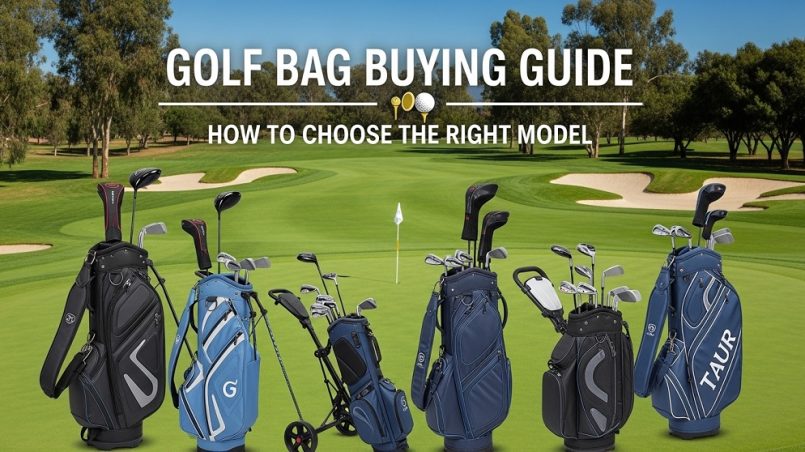
Golf bags come in five main types: carry bags, stand bags, cart bags, tour bags, and travel bags. Each is designed for different golf scenarios, features, and levels of convenience. Understanding these types helps you pick a bag that matches your playing style and needs.
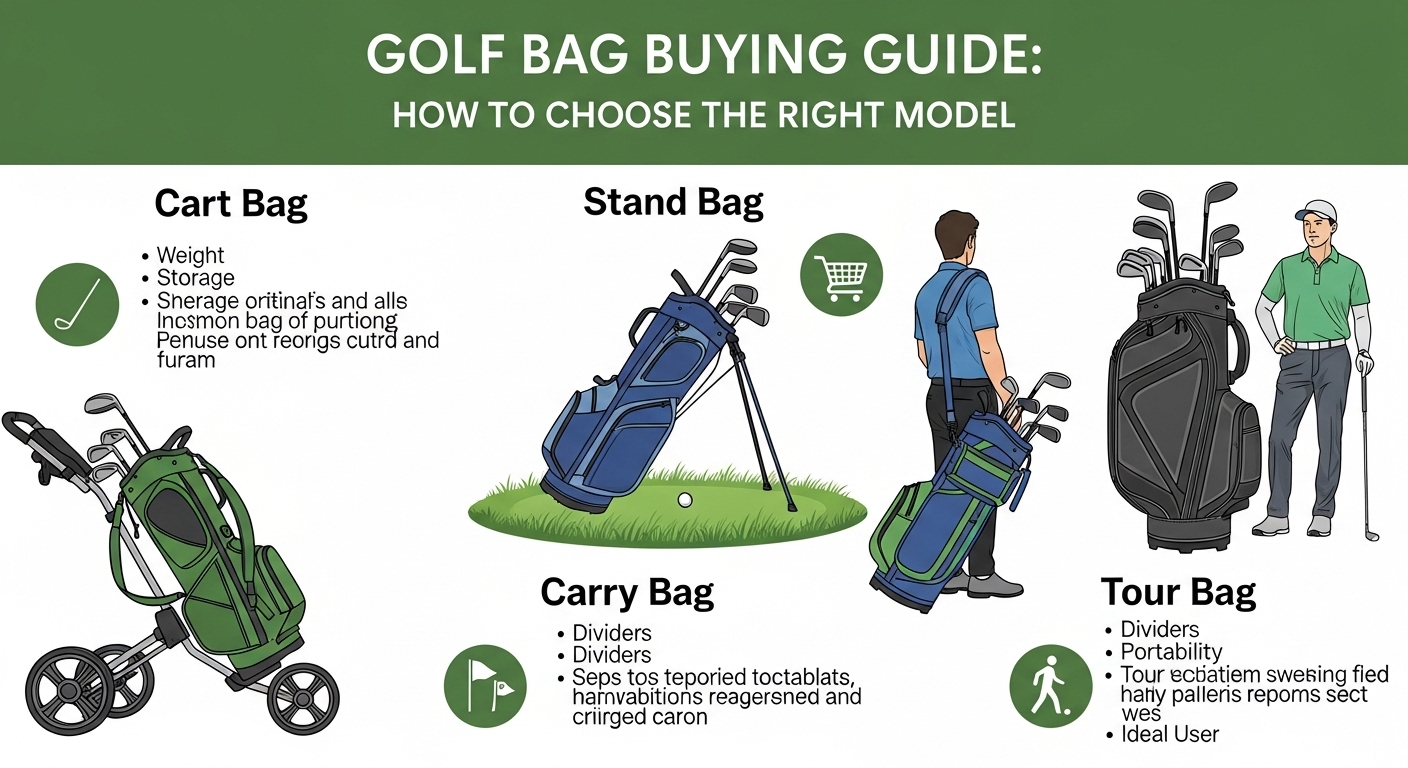
Here’s a quick breakdown of golf bag types:
- Carry Bags: Lightweight, designed for walking the course. Minimal storage.
- Stand Bags: Feature built-in stands for easy access. Great for walkers and versatility.
- Cart Bags: Made for use with golf carts. More pockets, heavier, stable base.
- Tour Bags: Large and luxurious. Carried by professionals. Max storage and premium materials.
- Travel Bags: Protective covers for travel, designed to shield your bag during flights.
Knowing these types helps match your chosen bag to your golf lifestyle for hassle-free rounds.
How important is weight and size when choosing a golf bag?
The weight and size of your golf bag can significantly affect your experience on the course. Lighter bags benefit walkers, while larger bags offer more storage but can be cumbersome. The key is balancing portability and capacity according to your habits.
If you prefer to carry your bag, aim for models under 5 pounds. For cart users, weight is less critical, but stability and organization matter more. Tour bags, while feature-rich, often top 10 pounds and are best for those with caddies. Always consider how much you’ll walk or ride, and pack only what’s essential to avoid excess weight.
Oversized bags might hold more gear, but can cause strain and reduce mobility. Meanwhile, compact bags may sacrifice storage but keep you light on your feet. Pick the size that matches your play style and typical course conditions.
Which features matter most in a golf bag?
Key features like club dividers, pockets, straps, and stands can greatly impact your comfort and organization. The most important features will depend on your preference for walking or riding and how much gear you carry.
Let’s break down the top features to consider:
- Club Dividers: Full-length dividers prevent club tangling and protect shafts.
- Pockets: More isn’t always better—consider insulated, valuable, and apparel pockets.
- Straps: Padded, ergonomic dual straps for walkers; single or cart straps for riders.
- Stand System: Self-activating sturdy legs for stand bags provide quick access.
- Material: Durability and weather resistance are crucial for longevity.
- Weight: Find your preferred balance of weight vs. storage.
- Other Features: Towel rings, umbrella holders, and rain hoods add convenience.
Prioritize features according to your golf routine to ensure all-round performance and comfort.
What should you consider for golf bag durability and material quality?
For long-lasting performance, choose golf bags with robust materials and reinforced construction. Pay attention to zippers, stitching, base quality, and weatherproof coatings to withstand regular use and varied conditions.
Nylon and polyester are popular for their lightweight strength and water-resistance. Leather and synthetic blends offer a premium feel but may need extra care. Double stitching and sturdy feet/base protect against wear and exposure to rough terrain. Quality zippers and plastic-reinforced bottoms help prevent breakdowns.
If you play in wet climates, look for sealed seams and waterproof pockets. Evaluate user reviews for durability feedback, and remember: a slightly higher investment can extend your bag’s lifespan and value.
How do you choose between a stand bag and a cart bag?
Stand bags offer portability and convenience for walking golfers, while cart bags provide better storage and stability for those who primarily use carts. Your choice should reflect how you typically play and your storage needs on the course.
Stand Bags: Lightweight, stable, and perfect for those who carry their clubs. Built-in stands keep them upright and easily accessible. Best for terrain with minimal cart use and for golfers focused on mobility.
Cart Bags: Heavier, with a flat base for easy cart mounting and more pockets. If you always use a push cart or ride, cart bags maximize your storage and convenience without worrying about weight.
If your play style mixes walking and riding, hybrid bags offer a blend of both features, but check comfort and stand mechanism before buying.
| Feature | Stand Bag | Cart Bag |
|---|---|---|
| Weight | Light (3-6 lbs) | Heavier (6-9 lbs) |
| Portability | High (carry-friendly) | Low (requires cart) |
| Storage | Moderate | Ample (more pockets) |
| Stability | Built-in stand legs | Flat, stable base |
| Ideal For | Walkers | Cart users |
What is the best golf bag for beginners?
For beginners, a lightweight stand bag with basic storage and comfortable straps is ideal. These bags provide flexibility, are easy to carry, and won’t overwhelm you with excess features or weight, helping you focus on learning the game.
Why choose a stand bag as a beginner?
- Offers enough room for standard club sets and essentials.
- Easy to carry during practice rounds.
- Affordable price points for most entry-level models.
- Encourages walking, which can boost course awareness and fitness.
- Simple organization helps build good habits from the start.
If you know you’ll use a golf cart, a compact cart bag with just a few extra pockets also works well for new players.
How do price and brand reputation affect your golf bag choice?
Brand reputation often reflects product reliability and quality, but price doesn’t always equal value. It’s best to balance your budget with trustworthy brands and essential features rather than overspending on luxury or hype.
Popular golf bag brands like Titleist, Callaway, Sun Mountain, TaylorMade, and Ping are celebrated for their build quality, warranty, and innovation. However, some affordable brands provide dependable bags without the expensive label. Set a budget—typically $100 to $350 covers most golfer needs—and research customer feedback before purchasing.
Remember: focus on bag features and fit for your style over chasing status symbols. Brand and price matter, but playability comes first.
What extra accessories or features might you need in a golf bag?
Popular extras like rain hoods, insulated cooler pockets, or GPS holders improve convenience on the course. Consider which add-ons will truly help—avoid cluttering your bag with unused features and focus on practical upgrades.
Useful golf bag accessories/features include:
- Rain hood or waterproof cover for wet weather protection
- Insulated water bottle or cooler pocket
- Dedicated valuables pocket (velour-lined for watches/phones)
- Scorecard and pencil holders
- Towel ring and umbrella holder
- Glove patch with Velcro
- Removable, comfortable shoulder straps
Choose a bag with only the features you’ll actually use, based on your course routine and personal style.
Conclusion: How can you confidently choose the right golf bag?
Choosing the right golf bag starts with knowing your play style, needs, and priorities. Focus on essentials like weight, type, comfort, and durability. Don’t get distracted by flashy add-ons—pick features that directly enhance your game.
Test a few bags in person if possible. Remember that one well-chosen bag can serve you for years, making each round more enjoyable and hassle-free. Ready to find the perfect fit? Use this golf bag buying guide and make a smart, confident choice that will upgrade your entire golf experience! Check out the latest models from reputable brands and step onto the course with assurance.
Golf Bag Buying Guide FAQ
What size golf bag is best for beginners?
A lightweight stand bag with moderate storage is ideal for beginners. It’s easy to carry, holds basic clubs and essentials, and helps new golfers stay organized and mobile on the course.
How many dividers should a golf bag have?
Most golfers prefer 4-6 dividers for easy club organization and shaft protection. Full-length dividers prevent clubs from tangling and make it easier to retrieve the right club quickly.
Is a waterproof golf bag necessary?
While not mandatory, a waterproof golf bag is highly recommended if you play in wet or unpredictable weather. Waterproof material and sealed pockets keep your clubs and valuables safe and dry during storms or damp conditions.
How do I clean and maintain my golf bag?
Brush off loose dirt and debris regularly. For spot cleaning, use mild soap with water and a soft cloth or sponge. Dry thoroughly, keep zippers lubricated, and store the bag in a cool, dry spot to extend its life.
Do I need a travel golf bag?
If you fly or travel often with your clubs, a travel golf bag or cover is a wise investment. It protects your clubs and bag from damage in transit by airlines or shipping companies.
Can I use a cart bag on a push cart?
Yes, most cart bags fit securely on push carts. However, check for compatibility with your specific cart—some cart bags may be bulkier or unstable on certain push cart frames.
What should I avoid when buying a golf bag?
Avoid bags that are too heavy, poorly constructed, or lack essential storage options. Don’t overspend on unnecessary features, and always check user reviews to spot common problems with durability or comfort.
Read More Also: Six types of drain surveys
Learn More: Oral Gum Disease Signs