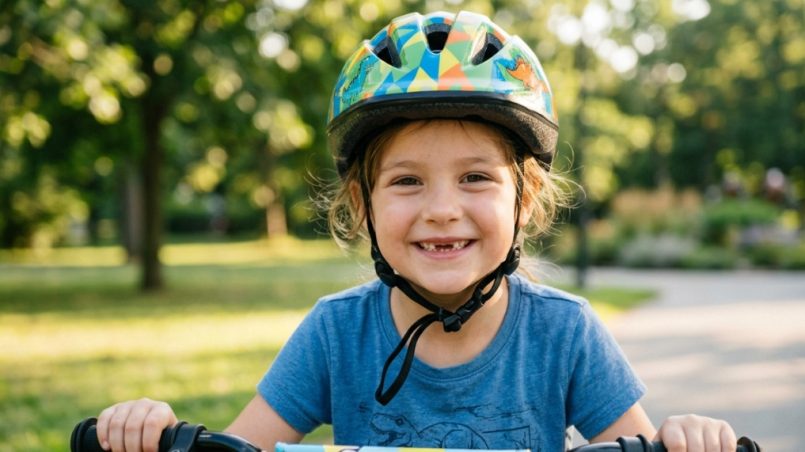
You bought a helmet, strapped it on your child, and sent them pedaling down the driveway. But did you check if it wobbles when they shake their head? Did you verify it hasn’t expired?
Most parents assume any helmet from the store offers adequate protection, but the reality is far more nuanced. The truth is that kids bike helmet safety isn’t just about buying a helmet—it’s about buying the right helmet and making sure it fits correctly every single ride. A poorly fitted helmet can slide off during a crash, leaving your child’s head completely unprotected. This guide will walk you through exactly what to look for, how to measure, and how to avoid the common mistakes that compromise safety.
What Is the Most Important Safety Standard for a Kids Bike Helmet?
The single most critical factor when evaluating a kid’s bike helmet is whether it meets the CPSC (Consumer Product Safety Commission) standard. This is the federal mandatory standard in the United States. Helmets that pass these tests have been dropped onto flat and curved anvils from specific heights, simulating the impact of a crash. Without this certification sticker, the helmet offers no guaranteed protection.
Look for a permanent label inside the helmet that reads “Complies with U.S. CPSC Safety Standard for Bicycle Helmets.” Some helmets also carry additional standards like ASTM F1492 (for skateboarding) or EN 1078 (European standard). While multi-sport helmets are great for versatility, the CPSC standard is the baseline you should never compromise on. Avoid any helmet that lacks this certification, regardless of how cute the design is.
Why Does a Proper Fit Matter More Than the Helmet Price?
A proper fit directly determines whether the helmet can do its job during an impact. A $10 helmet that fits perfectly will protect your child better than a $200 helmet that slides around. The helmet’s foam liner is designed to compress and absorb energy upon impact. If the helmet shifts during a fall, the foam may not align with the point of impact, rendering it useless.
The Three Key Fit Points
To ensure a safe fit, focus on these three contact areas:
- Level on the head: The helmet should sit flat and level, about one to two finger widths above the eyebrows. It should never tilt backward or forward.
- Snug but not tight: The inner padding should make contact with the entire circumference of the head without pinching. You should not be able to fit more than two fingers between the strap and the chin.
- Secure straps: The side straps should form a “V” shape around each ear, with the buckle sitting directly under the chin.
If you can shake the helmet side-to-side or front-to-back, it is too loose. Similarly, if your child complains of pain or pressure points after wearing it for five minutes, it is likely too tight or the wrong shape.
How to Measure Your Child’s Head for a Bike Helmet
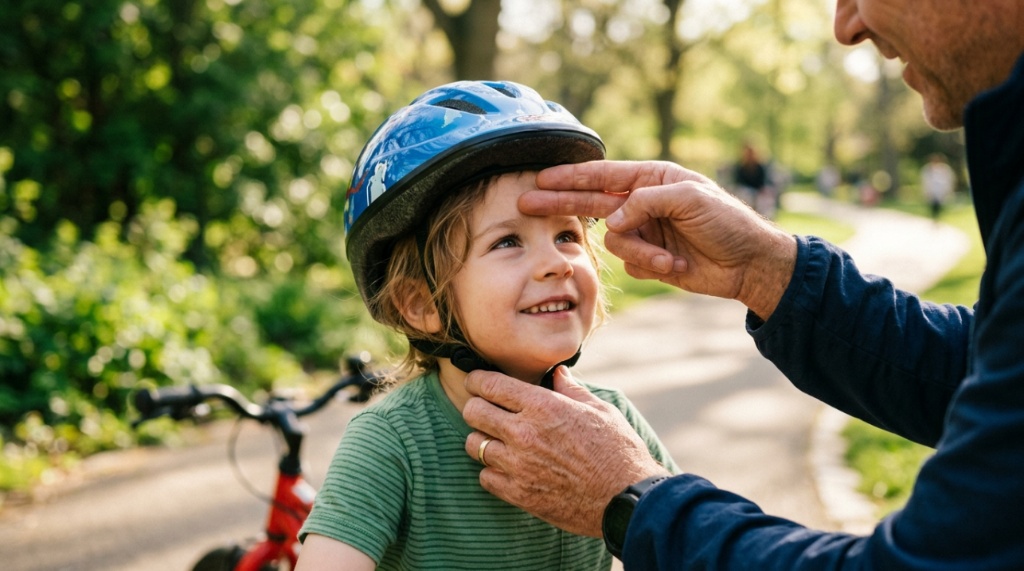
Measuring your child’s head is straightforward and only takes 30 seconds. Use a flexible measuring tape and wrap it around the widest part of the head, which is typically just above the eyebrows and ears. Make sure the tape is snug but not digging into the skin. Write down the measurement in centimeters or inches, then compare it to the size range listed on the helmet packaging.
Most kids’ helmets are divided into these approximate size categories:
| Age Group | Head Circumference (cm) | Head Circumference (inches) |
|---|---|---|
| Toddler (1–3 years) | 48–52 cm | 18.9–20.5 in |
| Youth (3–7 years) | 50–54 cm | 19.7–21.3 in |
| Junior (7–12 years) | 53–57 cm | 20.9–22.4 in |
| Teen/Adult (12+) | 55–59 cm | 21.7–23.2 in |
If your child falls between sizes, opt for the larger size and use the included adjustable fit dial or extra padding pads to dial in the fit. Never buy a helmet that is too big with the intention of “growing into it.” This is a leading cause of head injuries because the helmet will not stay in place during a crash.
Which Type of Kids Helmet Is Best: Single-Sport or Multi-Sport?
Multi-sport helmets offer superior value because they are certified for multiple activities, including biking, skateboarding, rollerblading, and scooting. A single-sport bike helmet is designed only for cycling and may not have the extended coverage at the back of the head that skateboarding or scootering requires. If your child uses their helmet for more than just bike riding, a multi-sport helmet is the smarter choice.
Multi-sport helmets typically feature a hard outer shell with a thicker EPS foam liner and often have a rounded shape that provides coverage lower on the back of the skull. Some also include a built-in visor for sun protection. For comprehensive kids bike helmet safety, a multi-sport model ensures your child is protected across all their wheeled activities.
Pros and Cons of Each Type
- Single-Sport Bike Helmet:
- Pro: Lighter weight, more aerodynamic, better ventilation.
- Con: Less coverage on the back of the head; not suitable for skateboarding or scootering.
- Multi-Sport Helmet:
- Pro: Covers multiple activities, better back-of-head protection, often more durable.
- Con: Slightly heavier and sometimes less ventilation than high-end cycling helmets.
Can a Used or Hand-Me-Down Helmet Be Safe for Kids?
No. Never use a used or hand-me-down helmet for your child. Even if it looks pristine, you cannot see internal damage. The EPS foam liner compresses permanently upon impact, and that compression reduces its ability to absorb a second hit. Additionally, helmet materials degrade over time due to UV exposure, temperature fluctuations, and general wear. The CPSC recommends replacing a helmet every five years from the date of manufacture, not purchase. If it is older than five years or has been in any crash, discard it immediately.
Another hidden risk: a used helmet may not fit your child’s head shape correctly. Heads differ in shape (round vs. oval), and a helmet that fit one child perfectly may leave pressure points or gaps on another. Buy new, buy certified, and buy the correct size.
When Should You Replace a Kids Bike Helmet?
Replace a helmet immediately after any impact, even if you see no visible cracks. Also, replace it if the foam is dented, the shell is cracked, or the straps are frayed. Beyond physical damage, helmets have an expiration date. Most manufacturers recommend a replacement every three to five years because of foam degradation. Check the sticker inside the helmet for the date of manufacture. If you can’t find a date, replace it.
Also consider replacement if the fit has changed. Kids grow quickly. If the helmet no longer sits level and snug above their eyebrows, it is too small. A helmet that is too small can cause strain on the neck and will not provide proper coverage. A general rule: if your child has outgrown the previous helmet by more than one head measurement size, it is time for a new one.
How to Adjust a Kids Bike Helmet Straps and Dial
Adjusting a helmet correctly takes less than two minutes. Start by placing the helmet level on your child’s head, one to two finger widths above the eyebrows. Tighten the rear adjustment dial until it feels snug but not painful. The helmet should not move when you gently push it side-to-side.
Next, buckle the chin strap. The side straps should meet just below the ears, forming a “V” shape. Adjust the slider at each side to raise or lower the straps. The chin strap should be tight enough that you can only fit one finger between the strap and your child’s chin. If you can fit two fingers, it is too loose. If the strap digs in, it is too tight.
Quick Fit Checklist
- Helmet sits level (not tilted back or forward).
- Forehead is covered (one to two finger widths above eyebrows).
- Rear dial is snug, not loose.
- Side straps form a “V” under each ear.
- Chin strap is tight (one finger rule).
- No movement when shaking head vigorously.
After adjusting, ask your child to open their mouth wide. You should feel the helmet pull down slightly. If it doesn’t, the chin strap is too loose. Repeat this test every time they ride, because straps loosen over time.
Is a Heavier Helmet Less Safe for My Child?
Not necessarily. Heavier helmets often have thicker EPS foam and a more robust shell, which can provide better impact protection. However, excessive weight can cause neck fatigue and make wearing the helmet uncomfortable, which may lead to your child not wanting to wear it at all. Aim for a balance: a helmet that feels substantial but doesn’t strain the neck. Most quality kids’ helmets weigh between 250 and 400 grams (about 9 to 14 ounces). If your child complains of neck pain after short rides, the helmet may be too heavy for their age or body size.
For younger children (ages 1–5), prioritize a lightweight design because their neck muscles are still developing. For older children (ages 6+), a slightly heavier helmet with better protection is fine as long as it fits well and feels comfortable.
Which Features Add Real Safety Value for Kids?
Not all features are gimmicks. Some genuinely improve safety and usability. Here are the features worth paying for:
- MIPS (Multi-directional Impact Protection System): A low-friction liner inside the helmet that reduces rotational forces during angled impacts. It is proven to reduce the risk of brain injury. If your budget allows, choose a MIPS-equipped helmet.
- Extended back coverage: Many kids fall backward. A helmet that covers more of the occipital bone (back of the skull) offers better protection.
- Reflective elements: Built-in reflectors or reflective stickers increase visibility to drivers in low light.
- Adjustable visor: Keeps sun and rain out of eyes, helping kids see obstacles clearly.
- Washable pads: Kids sweat and their helmets get dirty. Removable, washable pads keep the helmet fresh and hygienic.
Features like built-in lights or Bluetooth speakers are nice bonuses, but do not sacrifice a proper fit or certified protection for them.
Frequently Asked Questions
How tight should a kids bike helmet be?
The helmet should fit snugly without causing discomfort. You should not be able to move it more than about one inch in any direction when pushing firmly with your hand. The chin strap should allow only one finger to fit between the strap and the chin.
Can my child wear a bike helmet for skateboarding?
Yes, if it is a multi-sport helmet that meets ASTM F1492 or CPSC standards for multi-activity use. A standard bike-only helmet may not have sufficient coverage at the back of the head for skateboarding falls.
What is the difference between CPSC and ASTM certification?
CPSC is the federal standard for bicycle helmets. ASTM F1492 is a voluntary standard for skateboarding and rollerblading helmets. Multi-sport helmets often meet both. CPSC focuses on linear impacts, while ASTM includes multiple impacts and larger coverage areas.
Do helmets expire even if they are never used?
Yes. EPS foam degrades over time due to exposure to heat, UV light, and humidity. Most manufacturers recommend replacing a helmet every 3 to 5 years from the date of manufacture, regardless of use.
How do I clean a kids bike helmet?
Use a mild soap and water solution. Gently wipe the outer shell and inner padding with a soft cloth. Avoid soaking the foam. Remove and hand-wash any removable pads. Never use harsh chemicals or put the helmet in the dishwasher.
Should I buy a helmet with a MIPS system?
If your budget allows, yes. MIPS reduces rotational forces during a crash, which can lower the risk of concussion. It is particularly valuable for active children who ride at higher speeds or on rough terrain.
Can a helmet be too big if I have a fit dial?
Yes. The fit dial can tighten the circumference, but if the helmet is too large overall, the front will tilt forward and expose the forehead. Always check that the helmet sits level and covers the forehead by one to two finger widths.
Picking out the right protective gear is only half the battle when getting your child ready to ride. If you are also shopping for their very first rugged trail ride, don’t miss our comprehensive guide on How to Buy Your First Mountain Bike to ensure the whole family hits the trails safely.
Conclusion
Your child’s head is their most valuable asset, and picking the right helmet is the single best step you can take to protect it. Start by ensuring the helmet meets CPSC standards, measure your child’s head accurately, and adjust the straps and dial for a snug, stable fit. Don’t settle for used helmets or oversized models. Invest in a multi-sport helmet for maximum versatility, and consider a MIPS model for added brain protection. Every ride, every sibling hand-me-down, and every passing season deserves a fresh, properly fitted helmet. Make the choice today to prioritize your child’s safety—because the right fit can prevent a lifetime of regret.