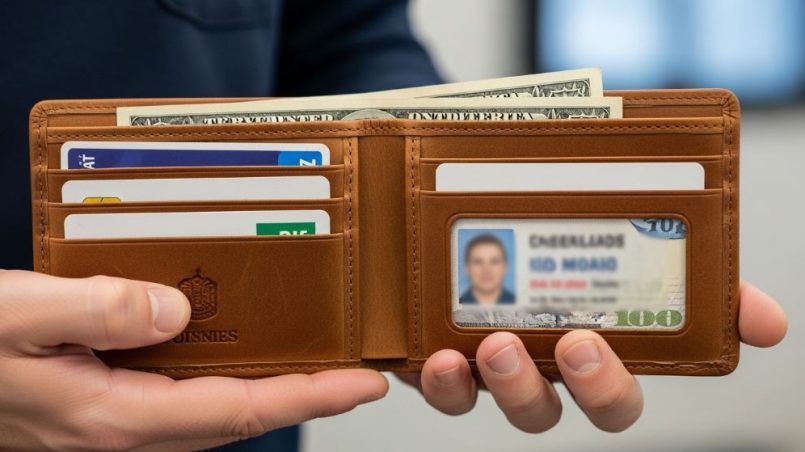
A wallet is one of the most used items a man carries every single day. It holds your money, cards, and ID. It goes in and out of your pocket dozens of times. Yet most men replace their wallets every couple of years simply because they bought the wrong one to begin with.
In 2026, the market is flooded with options. There are slim wallets, bifold wallets, trifold wallets, and minimalist cardholders. Choosing the right one can feel overwhelming. However, it does not have to be. If you know what to look for, the decision becomes much simpler.
This guide covers everything you need to know. From materials and construction to style and size, we break it all down for you. By the end, you will be confident about finding a wallet that fits your life and stands the test of time.
Why Most Wallets Fail Before Their Time
Most wallets wear out quickly for a few common reasons. The material is low quality. The stitching is weak. Or the design is not suited to how the owner actually uses it. Understanding these failure points helps you avoid them from the start.
Cheap synthetic materials crack and peel within months. Weak thread unravels at stress points like corners and card slots. A bulky wallet stuffed into a tight pocket stretches and deforms over time. Additionally, poor zippers or snaps break and leave the wallet unusable.
Therefore, the first step in buying a great wallet is recognizing what causes wallets to fail. Once you understand that, you can shop with a clear checklist in mind.
The Most Important Factor: Material
The material of a wallet determines almost everything. It affects how long the wallet lasts, how it looks over time, and how it feels in your hand. There are several popular materials on the market today, and each has its own strengths.
Full-Grain Leather
Full-grain leather is widely considered the gold standard for durable wallets. It comes from the top layer of the hide and retains the natural grain. This makes it incredibly strong and resistant to moisture. Over time, it develops a patina, which is a rich, natural sheen that actually makes the wallet look better with age.
However, full-grain leather costs more than other options. It is an investment. If you take care of it, though, it can last a decade or more. That makes the higher upfront cost well worth it for most men.
Top-Grain Leather
Top-grain leather is the second highest quality. The surface has been lightly sanded to remove imperfections. It is thinner and more uniform than full-grain leather. Additionally, it tends to be slightly more affordable while still offering excellent durability.
Top-grain leather is a great middle-ground choice. It looks clean and polished, and it holds up well under daily use. Many premium wallet brands use top-grain leather in their flagship products.
Nylon and Ballistic Nylon
For men who prefer a more modern, lightweight option, nylon is an excellent choice. Ballistic nylon, in particular, is extremely tough. It was originally developed for military use, and it resists abrasion, tearing, and water very well.
Nylon wallets are often thinner and lighter than leather ones. They suit active lifestyles and outdoor use. However, they do not have the same classic look that leather offers. Therefore, your choice may depend on your personal style as much as your durability needs.
Tyvek and Recycled Materials
Tyvek is a synthetic material that is surprisingly tough for its weight. Wallets made from Tyvek are paper-thin yet resistant to tearing, water, and UV light. They are also very affordable. Additionally, many eco-conscious brands now offer wallets made from recycled plastics or upcycled materials that perform well over time.
Construction Quality: What to Check Before You Buy
Even the best material will fail if the construction is poor. Knowing what to look for in craftsmanship will help you identify a long lasting wallet from a mediocre one.
Stitching
Look at the stitching closely. It should be tight, even, and consistent. Loose or uneven stitches will unravel with repeated use. The best wallets use saddle stitching, where two needles pass through each hole from opposite sides. This method is far stronger than machine stitching and will not unravel even if one thread breaks.
Edges and Finishing
Check the edges of the wallet. They should be smooth and sealed. Raw, unfinished edges will fray and crack over time. High-quality wallets either have burnished edges, which are polished and compressed, or painted edges that protect the material from moisture and wear.
Lining and Interior Structure
Some wallets have a fabric lining inside. This lining should be securely attached and made from a smooth, durable material. A poorly attached lining peels away quickly and makes the wallet feel cheap. Additionally, the card slots should have enough structure to hold cards firmly without being so tight that they damage the material.
Choosing the Right Style for Your Lifestyle
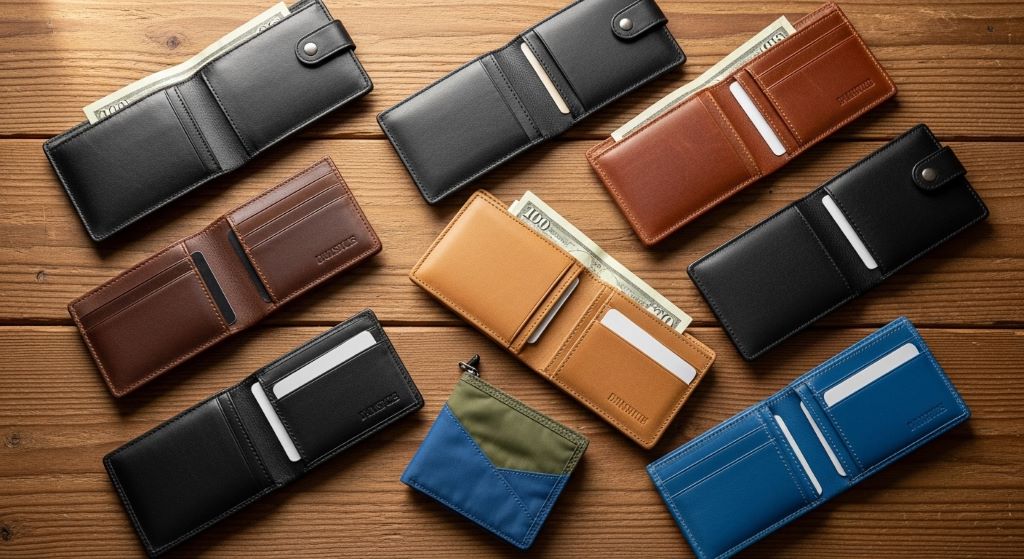
Durability is important, but so is practicality. The best wallet for you depends on how you live and what you carry. Here is a breakdown of the most common wallet styles available in 2026.
Bifold Wallets
The bifold is the classic choice. It folds once in the middle and usually has several card slots plus a bill compartment. It is versatile and works well for most men. However, it can get bulky if you carry too many cards. Therefore, if you tend to carry a lot, keep this in mind.
Slim and Minimalist Wallets
Slim wallets have become very popular in recent years. They typically hold four to eight cards and a small amount of cash. They sit flat in your front pocket, which reduces bulk and strain on the wallet. Additionally, front-pocket carry is generally safer from pickpockets.
For men who have gone mostly cashless, a slim wallet is an excellent upgrade. It forces you to carry only what you need, which means less wear on the wallet overall.
Trifold Wallets
Trifold wallets offer more storage than bifolds. They fold twice and include more card slots and compartments. However, they are thicker and heavier. They work well for men who carry receipts, multiple cards, or foreign currency regularly. Just be mindful of the bulk when sitting.
Money Clip Wallets
Money clip wallets use a metal clip to hold cash alongside a small card holder. They are extremely slim and lightweight. The metal clip is usually stainless steel, which adds to its longevity. Therefore, if you prefer carrying cash but want minimal bulk, this style is worth considering.
RFID-Blocking Wallets
RFID-blocking wallets contain a layer of material that prevents electronic theft of your card data. In 2026, most contactless cards use RFID or NFC technology. While the actual risk of RFID skimming is debated, having protection built in adds peace of mind at little extra cost. Many quality wallets now include this feature as standard.
Size and Capacity: Finding the Right Balance
One of the biggest mistakes men make is buying a wallet that is too large for their actual needs. Overfilling a wallet stretches the material and weakens the seams. Over time, this causes the wallet to lose its shape entirely.
Before buying, count how many cards you actually use on a weekly basis. Most men find they regularly use fewer than six cards. Therefore, you probably do not need a twelve-slot wallet. Choosing a wallet with just enough capacity forces better habits and extends the life of the product.
Additionally, think about cash. Do you regularly carry bills? If so, make sure the bill compartment is large enough to hold them flat without folding them too many times. Repeated creasing weakens paper money and adds unnecessary thickness to your wallet.
Top Brands Known for Quality and Longevity
Not all brands are created equal. Some have built their reputation specifically on crafting wallets that go the distance. Here are a few names consistently praised for their quality in 2026.
- Bellroy is known for its slim leather wallets with thoughtful internal organization and high-grade materials.
- Saddleback Leather produces thick, rugged full-grain leather goods with a famous 100-year warranty.
- Goyard and Montblanc offer luxury options for men who see their wallet as a long-term investment piece.
- Trayvax makes metal and nylon hybrid wallets built for heavy use and outdoor conditions.
- Herschel Supply Co. offers stylish, affordable options that balance looks with decent build quality.
However, brand names are not everything. A lesser-known brand with excellent materials and solid construction can easily outperform a famous name with poor manufacturing. Always evaluate the product itself, not just the label.
How to Maintain Your Wallet So It Lasts Longer
Even the most well-made wallet needs a little care. A few simple habits can dramatically extend its life.
- Condition leather wallets every three to six months using a quality leather conditioner. This keeps the material supple and prevents cracking.
- Avoid overstuffing your wallet. Carrying too many cards or folding thick receipts inside puts constant stress on the seams and material.
- Keep leather wallets away from prolonged moisture. If it gets wet, let it dry naturally at room temperature. Do not use direct heat, as this causes the leather to crack.
- Rotate wallets occasionally if you own more than one. Constant daily use in the same back pocket causes uneven wear.
- Clean nylon or synthetic wallets with a damp cloth and mild soap. Avoid harsh chemicals that break down the fibers.
Additionally, try to carry your wallet in your front pocket rather than your back pocket. Sitting on a wallet repeatedly causes it to warp and puts pressure on your lower back over time.
What to Expect at Different Price Points
Budget wallets in the $10 to $25 range are made from bonded leather or basic synthetic materials. They look decent when new but tend to peel and crack within a year or two. They are suitable as a temporary solution or a gift for someone who loses wallets frequently.
Mid-range wallets priced between $30 and $80 offer a significant jump in quality. You will find genuine leather, stronger stitching, and better internal organization at this level. For most men, this range offers the best value. You get durability without paying premium prices.
Premium wallets above $100 are typically made from full-grain leather or exotic materials. They are handcrafted and often come with warranties. These are wallets you buy once and keep for years. Therefore, if you calculate the cost per year, a $150 wallet that lasts ten years is cheaper than a $30 wallet replaced every two.
Red Flags to Avoid When Shopping
Not every wallet marketed as premium actually is. Here are warning signs to watch for.
- Vague material descriptions like “PU leather” or “leather-like” usually mean low-quality synthetic material that will peel quickly.
- No brand information or warranty details suggest the seller has little confidence in their product.
- Overly cheap pricing on products claiming to be genuine leather. Real leather has a cost floor. If the price seems too good to be true, it usually is.
- Plastic-looking shine on leather products indicates heavy surface coating, which cracks and peels with use.
- Uneven or skipped stitches visible in product photos are a clear sign of poor quality control.
Conclusion
Choosing the best men’s wallet in 2026 comes down to a few key decisions. Start with the right material. Full-grain or top-grain leather offers the best longevity for most men. Nylon and synthetic options are excellent for active or outdoor use.
Next, pay attention to construction. Tight stitching, finished edges, and a solid interior structure are signs of a wallet built to last. Additionally, choose a style and size that matches how you actually live, not how you think you should live.
Take care of your wallet and it will take care of you. Condition leather regularly, avoid overstuffing, and carry it in your front pocket when possible. A small amount of maintenance goes a long way.
Finally, think long term. Spending a little more now on one of the truly durable wallets available today will save you money, hassle, and frustration in the years ahead. A great wallet is not just an accessory. It is a reliable daily companion.
Frequently Asked Questions
1. What type of wallet lasts the longest?
Full-grain leather wallets last the longest when properly maintained. They can easily last ten or more years. Ballistic nylon wallets are also extremely durable, especially for outdoor and active use. The key is choosing quality materials and keeping the wallet from being overfilled.
2. Is a slim wallet better than a bifold?
It depends on what you carry. Slim wallets are better for men who use fewer than eight cards and rarely carry cash. They reduce bulk and cause less wear on the wallet. Bifold wallets offer more storage but can become bulky over time. Therefore, choose based on your daily habits, not just appearance.
3. How often should I replace my wallet?
A well-made wallet should not need replacing for several years. If you are replacing your wallet every one to two years, you are likely buying low-quality products or overstuffing them. Invest in a better wallet and take care of it, and you may not need to replace it for five to ten years.
4. Do I really need an RFID-blocking wallet?
The actual risk of RFID skimming in daily life is relatively low. However, RFID protection is now included in many wallets at no extra cost. If you frequently travel internationally or spend time in crowded public spaces, the added protection is a reasonable precaution. It does not hurt to have it.
5. What is the best wallet material for hot and humid climates?
In hot, humid climates, nylon or Tyvek wallets tend to perform better than leather. Leather can absorb sweat and moisture, which causes it to deteriorate faster without regular conditioning. However, if you prefer leather, choose a top-grain option and condition it more frequently. Additionally, storing your wallet in a front pocket reduces moisture exposure compared to a back pocket.
Related Topics:
How to pick the right courier for your needs?
How to Choose Sunglasses for Fly Fishing in Clear Streams