Riding a 21 speed mountain bike can feel overwhelming at first. You have 21 combinations to choose from, and picking the wrong gear can leave you exhausted before you reach the halfway point. However, once you understand how the gear system works, everything changes. Your rides become smoother, faster, and far less tiring.
This guide will walk you through everything you need to know. From understanding your gears to climbing steep hills with ease, you will find practical tips that make a real difference. Whether you are a beginner or someone who wants to ride more efficiently, this article is for you.
Understanding How a 21 Speed Gear System Works
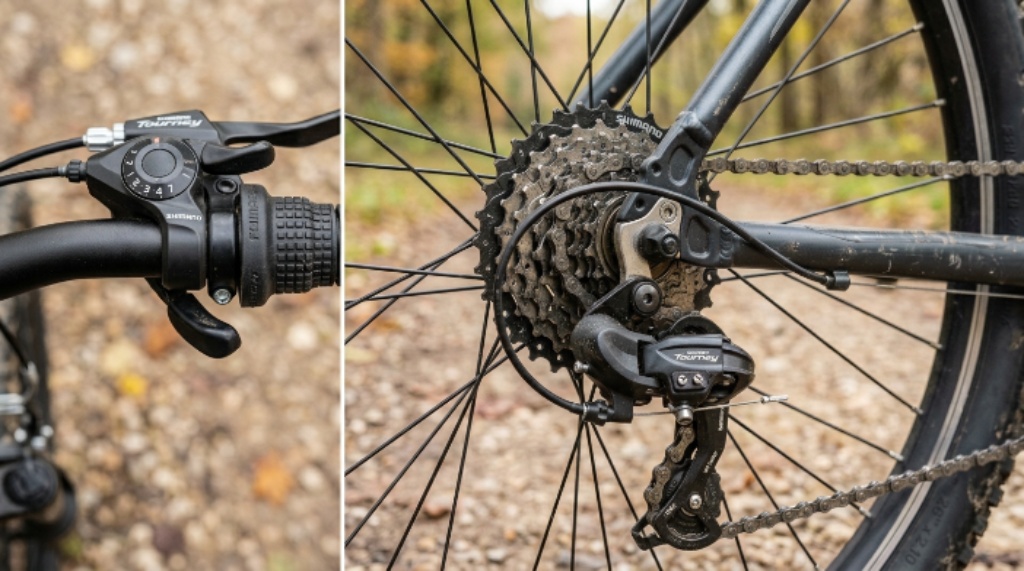
A 21 speed mountain bike has three chainrings at the front and seven sprockets at the rear cassette. Together, these create 21 possible gear combinations. This setup is a common example of a multi-speed bicycle design built to handle a wide range of terrains.
The left shifter controls the front derailleur, which moves the chain across the three front chainrings. The right shifter controls the rear derailleur, which shifts the chain across the seven rear sprockets. Understanding this basic layout is your first step toward confident riding.
Think of the front gears as your big gear-range selector. The rear gears are for fine-tuning your pedaling effort. Together, they give you full control over how hard or easy your ride feels.
Getting to Know Your Gear Numbers
Most bikes label the front chainrings as 1, 2, and 3, going from smallest to largest. The rear sprockets also run from 1 to 7, from largest to smallest. Therefore, gear 1 at the front combined with gear 1 at the rear gives you the easiest possible combination. Gear 3 at the front with gear 7 at the rear gives you the hardest.
Here is a simple way to think about it:
- Low gears (small front, large rear) = easy pedaling, ideal for climbing
- Middle gears (middle front, middle rear) = balanced effort, great for flat terrain
- High gears (large front, small rear) = harder pedaling, best for speed on descents
Spend some time in a flat, open area shifting through all your gears. This hands-on practice builds confidence faster than anything else.
How to Shift Gears Smoothly
Shifting gears correctly protects your bike and improves your ride. Many riders make the mistake of shifting while pushing hard on the pedals. This puts stress on the chain and can cause it to slip or snap.
Instead, ease up on your pedaling effort slightly just before you shift. Allow the chain to settle into the new gear before you increase your effort again. Additionally, try to anticipate the terrain ahead. If you see a hill coming up, shift into a lower gear before you reach it. Shifting while already struggling uphill is harder on both you and your bike.
Avoid cross-chaining as well. Cross-chaining happens when you use the largest front chainring with the largest rear sprocket, or the smallest front chainring with the smallest rear sprocket. This creates an unnatural angle for the chain and causes excessive wear over time.
Using Gears for Hill Climbing
Hill climbing is where a 21 speed mountain bike truly proves its worth. As a hill climbing bike option, its wide gear range lets you tackle steep trails without burning out your legs. The key is to shift early and maintain a steady cadence.
Cadence refers to how fast you pedal, measured in revolutions per minute (RPM). A good target for most riders is between 70 and 90 RPM. When you start climbing, shift to a lower gear to keep your cadence in this range. If you feel your knees straining or your speed dropping sharply, shift down one more gear.
Here is a simple step-by-step approach for hills:
- Spot the hill from a distance and plan your gear shift
- Shift to the middle front chainring before the incline starts
- Use the rear gears to fine-tune your effort as the slope changes
- Keep a steady breathing rhythm and maintain your cadence
- Shift to the small front chainring only if the hill becomes very steep
Standing up on the pedals can also help on very steep sections. However, stay seated as much as possible to conserve energy on longer climbs.
Riding on Flat Terrain and Downhills
On flat ground, the middle front chainring paired with a middle rear sprocket is your best starting point. From there, adjust the rear gears based on your speed and how fresh your legs feel. If the wind picks up against you, shift to a slightly easier gear. If conditions are ideal, move to a harder gear and build some speed.
Downhill riding is the most exciting part of mountain biking. Shift into a higher gear before you start descending. This keeps your chain tight and prevents it from bouncing off the sprockets. You do not need to pedal constantly going downhill, but having the right gear ready helps you accelerate when needed.
Furthermore, use your brakes smoothly and avoid locking your wheels. Apply both brakes evenly rather than squeezing just one. This gives you better control and reduces the risk of sliding.
Maintaining Your Gear System for Long-Term Performance
A well-maintained gear system bikes setup lasts much longer and performs better. Clean your chain regularly, especially after muddy rides. A dirty chain wears out your sprockets and chainrings faster than anything else.
Lubricate your chain after every cleaning session. Use a lubricant designed for bikes, not general-purpose oil. Check your cables regularly as well. Stretched or frayed cables make shifting slow and imprecise.
Additionally, get your bike serviced at a local shop once or twice a year. A professional can spot issues with your derailleur alignment that are easy to miss. Proper alignment makes a huge difference in how smoothly your gears shift.
Common Mistakes to Avoid
Even experienced riders make these mistakes from time to time. Knowing about them ahead of time helps you build better habits early on.
Shifting too late is the most common issue. Always think a few seconds ahead. Terrain changes quickly, and early shifting keeps you comfortable and in control.
Using only a few gears is another common habit. Many beginners stick to one or two comfortable settings. However, your bike has 21 gears for good reason. Using the full range makes you a more efficient and versatile rider.
Finally, skipping maintenance is a mistake that always catches up with you. A poorly maintained bike does not shift well, no matter how skilled the rider. Keep your bike clean, lubricated, and properly adjusted.
Conclusion
Riding a 21 speed mountain bike efficiently comes down to three core skills: understanding your gears, shifting at the right time, and maintaining your bike well. Once you master these basics, every ride becomes more enjoyable.
Start by exploring your gear range on flat ground. Then practice on gentle hills before moving to more challenging terrain. Remember to shift before you need to, maintain a steady cadence, and take care of your chain and cables. These simple habits will transform your riding experience, no matter what trail lies ahead.
Frequently Asked Questions
What is the easiest gear on a 21 speed mountain bike?
The easiest gear is the combination of the smallest front chainring (gear 1) and the largest rear sprocket (gear 1). This setting requires the least effort and is ideal for steep climbs or riding into strong headwinds.
How do I know when to shift gears?
Shift when your pedaling feels too easy or too hard. A good sign that you need an easier gear is when your knees feel strained or your speed drops suddenly. If pedaling feels too effortless and you want more speed, shift to a harder gear.
Can I shift multiple gears at once?
It is better to shift one gear at a time, especially on the rear. Jumping multiple gears at once can cause the chain to slip or make a loud clunking sound. Shifting gradually protects your drivetrain and keeps the ride smooth.
How often should I clean my bike’s chain?
Clean your chain after every muddy or wet ride. For regular dry-condition rides, cleaning it every 150 to 200 kilometers is a good rule of thumb. A clean chain shifts more smoothly and lasts significantly longer.
Is a 21 speed mountain bike good for beginners?
Yes, absolutely. A 21 speed bike gives beginners plenty of options to find a comfortable gear for any situation. The wide range of gears makes it easier to handle hills and varied terrain without needing advanced fitness levels right away.
Related Topics:
Golf Bag Buying Guide: How to Choose the Right Model
How to Pack Surf Gear for Next Surf Trip