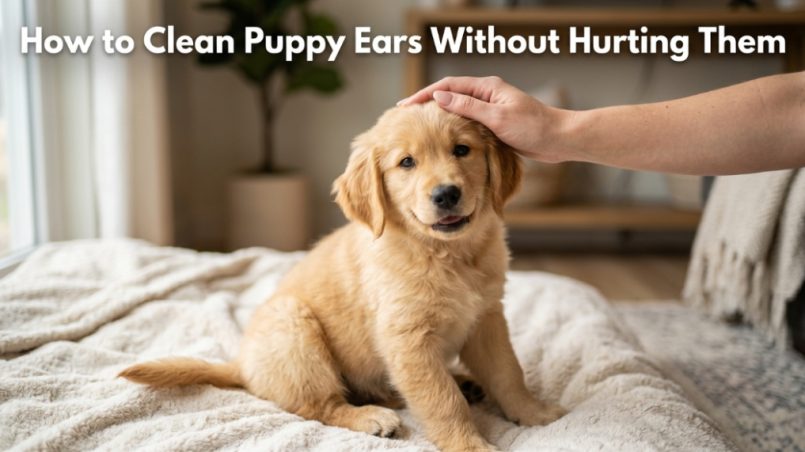
Puppy ear care often feels intimidating for new pet owners. However, regular ear cleaning prevents infections, wax buildup, and painful irritation before they become serious problems. According to the American Kennel Club, floppy-eared breeds face a higher risk of ear infections because moisture stays trapped inside the ear canal. Additionally, veterinarians estimate that ear conditions account for a large percentage of routine puppy visits every year. Therefore, learning the correct cleaning method early helps your puppy stay comfortable, healthy, and stress-free during grooming sessions.
Why Puppy Ear Cleaning Matters
Puppies explore dirty environments every single day. As a result, dust, pollen, bacteria, and moisture can easily collect inside their ears over time. Dirty ears may eventually lead to itching, redness, foul odors, or painful infections if owners ignore the warning signs. Moreover, puppies with long or floppy ears usually need more frequent care because airflow remains limited inside the ear canal.
Healthy ears should look pink, clean, and free from strong smells. However, many owners accidentally overclean their puppy’s ears and cause irritation instead of preventing problems. Therefore, gentle cleaning methods always work better than aggressive scrubbing or using harsh chemicals. If your puppy spends time outdoors during hot weather, learning how to keep dogs safe during extreme summer heat can also help reduce moisture-related ear issues.
Signs Your Puppy’s Ears Need Cleaning
Some puppies need weekly ear cleaning, while others only require occasional maintenance. Therefore, owners should watch for physical signs instead of cleaning too often without reason. Early detection helps prevent infections before they become painful or expensive to treat. Additionally, puppies usually show discomfort quickly when their ears feel irritated.
Common Warning Signs
- Excessive scratching around the ears
- Dark wax buildup inside the ear
- Unpleasant or sour odor
- Head shaking throughout the day
- Redness or swelling near the ear opening
- Sensitivity when touched around the ears
These symptoms may indicate dirt buildup or an early infection. However, severe redness, discharge, or bleeding requires veterinary attention immediately. Never attempt deep cleaning if your puppy shows signs of severe pain or distress. Gentle monitoring usually helps owners catch problems before they become serious.
Supplies You Need Before Cleaning Puppy Ears
Preparing your cleaning supplies first makes the entire process smoother and less stressful. Puppies become impatient quickly, so organized grooming sessions help maintain calm behavior. Additionally, using safe pet-approved products protects delicate ear tissue from irritation or chemical burns. Many household products actually damage the sensitive skin inside puppy ears.
Safe Puppy Ear Cleaning Supplies
- Vet-approved ear cleaning solution
- Cotton balls or soft gauze pads
- Small towel for cleanup
- Treats for positive reinforcement
- Flashlight for visibility if needed
Avoid cotton swabs because they push debris deeper into the ear canal. Similarly, alcohol and hydrogen peroxide may dry out sensitive skin and create irritation. Gentle veterinary-approved cleaners always provide safer results for puppies. Using proper supplies also makes the cleaning process faster and more comfortable.
Step-by-Step Guide to Cleaning Puppy Ears Safely
Many owners rush the cleaning process and accidentally scare their puppies. However, patience and gentle handling help puppies develop positive grooming habits for life. The goal involves removing dirt safely without hurting the delicate ear canal. Therefore, calm movements and soft pressure matter throughout every step.
Some puppies also experience skin-related irritation alongside ear sensitivity. Therefore, choosing the best shampoo for dog yeast infections may help improve overall skin and ear health together. Keeping the skin clean reduces excess oil and moisture around the ears as well. Healthy skin often contributes to healthier ears over time.
Step 1: Choose a Calm Environment
Pick a quiet area without loud noises or distractions. Puppies stay calmer when they feel safe and relaxed during grooming sessions. Additionally, cleaning ears after exercise often works better because puppies feel naturally tired afterward. A relaxed puppy resists less and remains easier to handle gently.
Step 2: Inspect the Ears Carefully
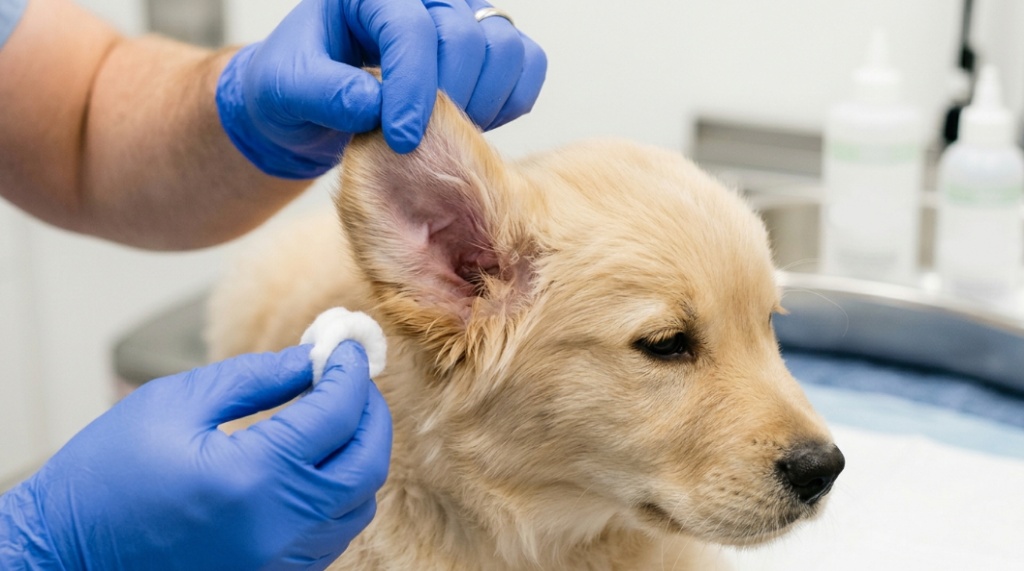
Lift the ear flap slowly and check for redness, discharge, or unusual smells. Healthy ears usually appear light pink with minimal wax buildup inside. However, thick black debris or yellow discharge may indicate infection or ear mites. If you notice severe irritation, stop immediately and contact your veterinarian.
Step 3: Apply Ear Cleaning Solution
Hold the ear flap upright and squeeze a few drops of cleaner inside the canal. Most puppies dislike this feeling initially, so remain calm and reassuring during the process. Additionally, avoid inserting the bottle tip deep into the ear because this may cause discomfort or contamination. Gentle handling builds trust and reduces future grooming anxiety.
Step 4: Massage the Base of the Ear
Massage the bottom of the ear gently for about twenty seconds. This movement loosens dirt, wax, and trapped debris inside the canal naturally. You may hear a soft squishing sound as the solution spreads throughout the ear. Therefore, continue massaging slowly until the debris begins breaking apart effectively.
Step 5: Let Your Puppy Shake
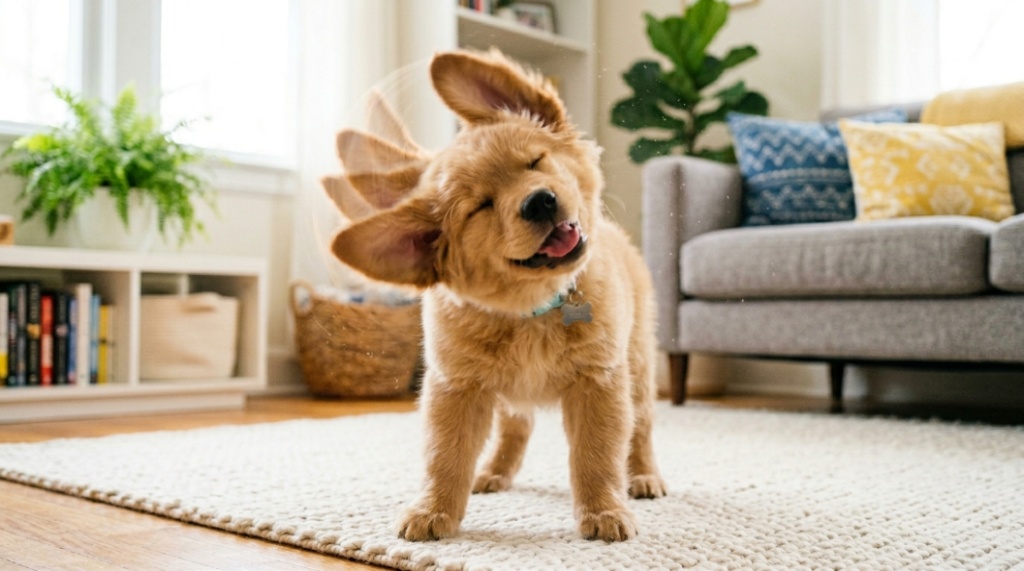
Allow your puppy to shake its head after the massage. Head shaking helps push loosened debris toward the outer ear where removal becomes easier. Additionally, this natural action prevents excess liquid from staying trapped inside the ear canal. Keep a towel nearby because cleaning solution may spray outward quickly.
Step 6: Wipe the Outer Ear Carefully
Use a cotton ball or soft gauze to wipe away dirt and excess cleaner gently. Focus only on areas you can clearly see without digging deeply into the canal. Puppies have sensitive ears, so rough wiping may cause irritation or fear. Therefore, use light pressure and calm praise throughout the process.
Common Mistakes That Hurt Puppy Ears
Many ear injuries happen because owners follow outdated advice or rush through cleaning sessions. Understanding common mistakes helps protect your puppy from unnecessary pain or irritation. Additionally, avoiding these habits improves long-term ear health significantly. Small changes often make a huge difference in safe grooming routines.
Using Cotton Swabs Deep Inside the Ear
Cotton swabs may seem harmless, but they often push debris farther into the canal. As a result, trapped wax and dirt can eventually cause painful infections or blockages. Veterinarians strongly recommend wiping only visible areas with soft cotton or gauze instead. Gentle external cleaning remains much safer for puppies.
Cleaning Too Frequently
Overcleaning removes natural oils that protect the ear canal from irritation and bacteria. Consequently, the skin may become dry, inflamed, or more vulnerable to infection over time. Most healthy puppies only need occasional cleaning unless they swim frequently or have floppy ears. Always follow your veterinarian’s recommendations for your puppy’s breed and environment.
Using Human Products
Human skincare products often contain fragrances or chemicals unsafe for puppies. Even baby wipes may include ingredients that irritate sensitive ear tissue over time. Therefore, pet-safe ear cleaners remain the safest option for regular grooming sessions. Gentle formulas protect the ear canal while still removing dirt effectively.
Unique Ear Cleaning Challenges Most Owners Ignore
Many blogs discuss cleaning techniques but rarely mention environmental factors affecting puppy ear health. Climate, household humidity, and sleeping habits often influence recurring ear problems significantly. Puppies living in humid regions usually experience more moisture buildup than those in dry climates. Therefore, environmental awareness becomes just as important as cleaning technique itself.
Humidity and Moisture Traps
Humid climates increase the risk of yeast growth inside puppy ears. Moisture becomes trapped easily, especially in breeds with thick fur around the ears. Consequently, puppies living near beaches, tropical regions, or rainy environments may require more frequent ear inspections. Drying ears gently after outdoor activities also helps reduce long-term problems.
Winter Heating and Dry Skin
Indoor heating systems during winter can dry out a puppy’s skin and ear tissue. As a result, some puppies develop flaky skin inside the ears even without infection present. Owners often mistake this dryness for dirt buildup and overclean the ears unnecessarily. Therefore, monitoring seasonal changes helps prevent accidental irritation caused by excessive cleaning.
Sleeping Surface Contamination
Many puppies sleep on blankets, carpets, or furniture that collect dust and bacteria over time. Dirty sleeping surfaces may transfer allergens and debris directly into sensitive ears daily. Washing bedding regularly helps reduce recurring irritation and hidden contamination. Surprisingly, cleaner bedding often improves ear health more than frequent cleaning sessions alone.
Cleaning Puppy Ears After Swimming or Bath Time
Water trapped inside puppy ears creates an ideal environment for bacteria and yeast growth. Therefore, ear care becomes especially important after swimming, bathing, or rainy outdoor walks. Puppies with floppy ears usually face greater moisture retention problems than upright-eared breeds. Drying the ears properly helps prevent future infections naturally.
Tips for Safe Moisture Control
- Dry the outer ears with a towel immediately
- Use vet-approved drying solutions if recommended
- Avoid letting puppies sleep with wet ears
- Check ears after every swimming session
- Keep long ear fur trimmed neatly
Never use hair dryers directly inside the ear canal because heat may damage sensitive tissue. Instead, focus on gentle towel drying and regular monitoring after water exposure. Consistent moisture control greatly reduces the risk of recurring ear infections. Puppies usually adapt quickly to these simple post-bath habits.
How Different Environments Affect Puppy Ear Health
Puppies living in cities face different ear challenges than puppies raised in rural areas. Urban environments often expose puppies to pollution, dust, and allergens from traffic-heavy streets. Meanwhile, rural puppies encounter grass seeds, dirt, insects, and muddy conditions more frequently. Therefore, grooming routines should match your puppy’s daily environment.
Hot and Humid Areas
Warm climates increase sweating and moisture accumulation around the ears. Consequently, bacteria and yeast grow faster inside poorly ventilated ear canals. Puppies in tropical environments may benefit from more frequent inspections during summer months. However, owners should still avoid aggressive overcleaning that strips natural protective oils.
Cold and Dry Regions
Dry climates may cause flaky skin and irritation around the ears during winter. Puppies exposed to indoor heating often experience additional dryness because humidity levels drop significantly indoors. Therefore, owners should monitor for cracking skin instead of assuming every issue relates to infection. Gentle moisturizing advice from veterinarians may help in severe cases.
Building Positive Ear Cleaning Habits
Puppies remember stressful grooming experiences for a very long time. Therefore, positive reinforcement remains essential during every ear cleaning session. Calm praise, rewards, and gentle handling help puppies associate grooming with safety instead of fear. Consistent routines also improve cooperation as puppies grow older.
Reward-Based Training Tips
- Offer treats before and after cleaning
- Speak softly throughout the process
- Keep sessions short initially
- Stop immediately if your puppy panics
- Practice touching the ears daily without cleaning
These habits build trust gradually and reduce resistance during future grooming sessions. Puppies trained patiently often become much easier to groom as adults. Positive reinforcement also strengthens the bond between owners and pets over time. Calm experiences create long-lasting grooming confidence.
When to Visit a Veterinarian
Some ear problems require professional medical treatment instead of home cleaning. Severe infections can worsen quickly if owners delay veterinary care too long. Therefore, recognizing dangerous symptoms helps protect your puppy from long-term complications. Early treatment usually prevents more serious problems later.
Signs That Need Immediate Veterinary Attention
- Bloody discharge from the ears
- Strong foul odor that worsens quickly
- Persistent head tilting
- Loss of balance or coordination
- Swollen ear canals
- Constant crying or pain reactions
Veterinarians may examine the ears using specialized tools unavailable at home. Additionally, they can prescribe medication safely if infections or mites appear during examination. Professional treatment prevents worsening conditions and reduces long-term discomfort. Prompt medical attention often saves both time and treatment costs later.
Conclusion
Learning how to clean puppy ears without hurting them protects your puppy’s comfort, health, and long-term well-being. Gentle handling, proper cleaning products, and consistent routines all play important roles in safe ear care. Additionally, understanding environmental factors like humidity, bedding cleanliness, and seasonal weather helps prevent recurring ear problems more effectively. If you recently welcomed a young dog into your family, reading about whether giving a puppy for Christmas is a good idea can also help you prepare responsibly for long-term puppy care. Start building positive grooming habits early, and your puppy will feel safer and healthier for years ahead.
FAQs
How often should I clean my puppy’s ears?
Most puppies only need ear cleaning once every few weeks unless advised otherwise by a veterinarian.
Can I use baby wipes to clean puppy ears?
No, baby wipes may contain chemicals or fragrances that irritate sensitive ear tissue.
Why does my puppy shake its head after ear cleaning?
Head shaking helps remove loosened debris and excess cleaning solution naturally.
Is dark wax always a sign of infection?
Not always, but thick dark debris may indicate ear mites or an infection requiring veterinary care.
What should healthy puppy ears look like?
Healthy ears should appear light pink, clean, and free from strong odors or swelling.